

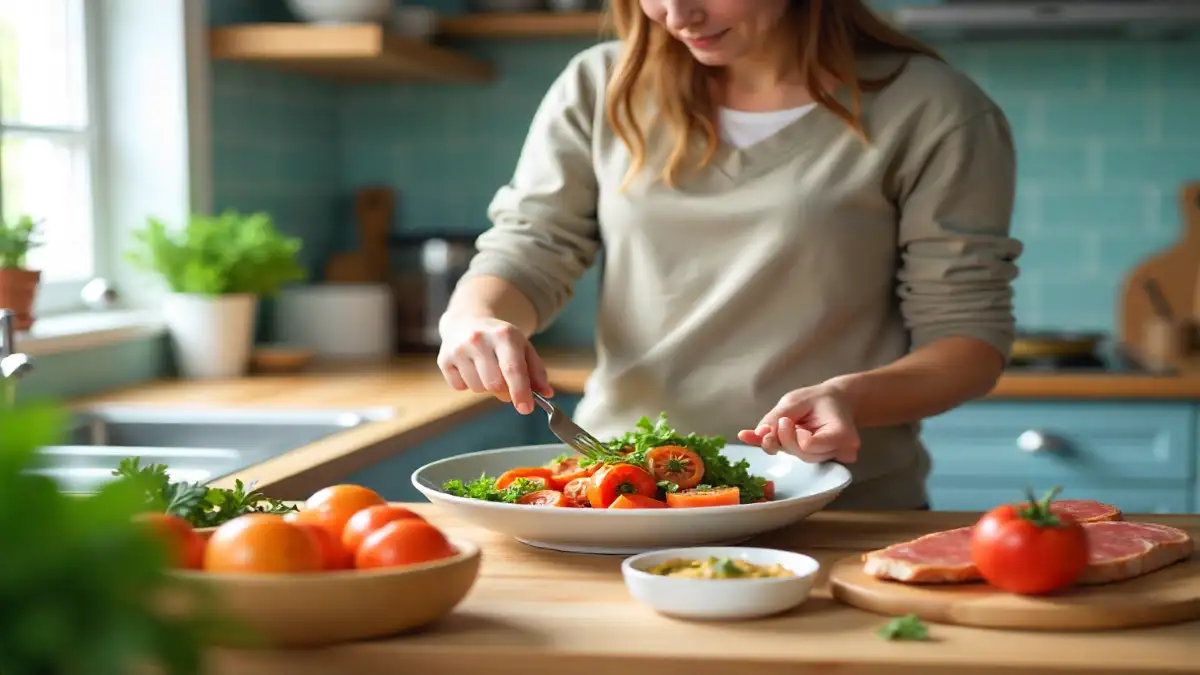
I’ll never forget the look on Maria’s face during our first consultation. She’d just been diagnosed with type 2 diabetes three weeks earlier, and her doctor had handed her a stack of dietary guidelines that might as well have been written in another language. “I don’t even know where to start,” she told me, tears welling up. “I can barely cook as it is, and now everything seems complicated and impossible.”
If you’re reading this, you might feel exactly the same way. Here’s what I want you to know after more than a decade of helping people navigate diabetic cooking: it doesn’t have to be complicated, expensive, or tasteless. In fact, some of the best diabetic-friendly meals are surprisingly simple, using ingredients you probably already have in your kitchen. Today, I’m going to walk you through some genuinely easy recipes and cooking strategies that have helped hundreds of my clients gain confidence in the kitchen while keeping their blood sugar stable.
Why Simple Recipes Matter for Diabetes Management
When you’re first learning to manage diabetes through diet, complexity is your enemy. I’ve seen too many newly diagnosed individuals try to tackle elaborate low-carb recipes with fifteen ingredients and three hours of prep time, only to give up and resort to unsafe eating patterns out of sheer frustration.
The truth is, simple recipes offer several advantages for diabetes management. They’re easier to calculate carbohydrates for, which is crucial when you’re learning to count carbs or dose insulin. They typically involve fewer processed ingredients, which means fewer hidden sugars and additives that can spike your blood sugar unexpectedly. And perhaps most importantly, they’re actually sustainable. You’ll stick with recipes you can realistically make on a Tuesday night after work.
The Foundation: Understanding What Makes a Recipe “Diabetic-Friendly”
Before we dive into specific recipes, let’s clarify what we mean by diabetic-friendly. In my practice, I define these recipes as meals that:
- Contain controlled amounts of carbohydrates (typically 30-45 grams per meal, though your target may differ)
- Include adequate protein to slow glucose absorption
- Incorporate healthy fats for satiety and blood sugar stability
- Feature high-fiber ingredients that minimize blood sugar spikes
- Avoid added sugars and refined carbohydrates
The beauty of cooking at home is that you control exactly what goes into your food. Restaurant meals and pre-packaged foods often contain hidden sugars, excessive sodium, and inflammatory oils that can wreak havoc on your blood sugar levels.
Five Beginner-Friendly Diabetic Recipes That Actually Work
1. The Perfect Veggie-Packed Omelet
This is where I start with almost every beginner client because it’s nearly impossible to mess up, and it works for any meal of the day.
What you need: 2-3 eggs, 1 cup of non-starchy vegetables (spinach, mushrooms, bell peppers, onions), 1 oz cheese (optional), 1 tablespoon olive oil or butter, salt and pepper.
Why it works: Eggs provide high-quality protein with zero carbohydrates, which means minimal blood sugar impact. The vegetables add fiber, vitamins, and volume without significantly raising glucose levels. This meal typically contains only 5-10 grams of carbs depending on your veggie choices.
Pro tip: Prep your vegetables the night before or buy pre-chopped options. I tell my clients there’s no shame in using shortcuts that help you succeed.
2. Sheet Pan Chicken and Vegetables
This recipe has rescued countless weeknight dinners for my clients, and it requires virtually no cooking skill.
What you need: 4 chicken thighs or breasts, 3-4 cups of low-carb vegetables (broccoli, cauliflower, zucchini, Brussels sprouts), 2 tablespoons olive oil, your favorite herbs and spices, lemon juice.
Why it works: You’re getting lean protein, fiber-rich vegetables, and healthy fats all in one pan. The carbohydrate content is typically around 15-20 grams per serving, mostly from the vegetables. Plus, leftovers reheat beautifully for lunch the next day.
How to make it: Toss everything with oil and seasonings on a baking sheet. Roast at 425°F for 25-30 minutes. That’s it. Seriously.
3. Greek Yogurt Parfait with Berries and Nuts
This works wonderfully as breakfast or a snack, and it satisfies that need for something sweet without sending your blood sugar skyrocketing.
What you need: ¾ cup plain Greek yogurt (not the flavored kind—those are sugar bombs), ¼ cup fresh berries, 2 tablespoons chopped nuts or seeds, a sprinkle of cinnamon.
Why it works: Greek yogurt provides protein and probiotics. Berries have a lower glycemic index than most fruits and are packed with antioxidants. Nuts add healthy fats and help slow sugar absorption. Total carbs: approximately 20-25 grams.
Important note: I’ve seen many clients accidentally sabotage this by using flavored yogurt. Always check labels—plain is the way to go, and you can add your own flavor with a tiny amount of vanilla extract or cinnamon.
4. Simple Cauliflower Rice Stir-Fry
This recipe changed the game for one of my clients who thought giving up regular rice meant giving up her favorite comfort foods.
What you need: 1 bag of cauliflower rice (or make your own by pulsing cauliflower in a food processor), 4-6 oz protein of choice (chicken, shrimp, tofu, or eggs), 1-2 cups of colorful vegetables, 2 tablespoons of oil, low-sodium soy sauce or tamari, garlic and ginger.
Why it works: Cauliflower rice contains only about 5 grams of carbs per cup compared to 45 grams in regular rice. You can eat a generous portion without the blood sugar spike. Add protein and vegetables, and you’ve got a complete, satisfying meal.
Cooking tip: Don’t overcook the cauliflower rice—it gets mushy. Just sauté it for 5-7 minutes until tender.
5. No-Cook Turkey and Cheese Roll-Ups
For those days when you truly don’t want to cook, this snack or light meal comes together in two minutes.
What you need: 4-6 slices of deli turkey breast (check for low-sodium, no-sugar-added options), 2-3 slices of cheese, mustard or hummus, lettuce leaves, sliced vegetables like cucumber or bell pepper.
Why it works: This is pure protein and fat with minimal carbs (under 10 grams if you skip the hummus). It’s portable, requires zero cooking, and keeps you satisfied. I recommend this to clients who struggle with lunch planning.
Common Beginner Mistakes to Avoid
In my years of practice, I’ve noticed several patterns that trip up beginners:
Mistake #1: Eliminating all carbs. Your body needs some carbohydrates to function. The goal is controlled portions of quality carbs, not zero carbs. This extreme approach often backfires, leading to low blood sugar episodes, intense cravings, and eventual binge eating.
Mistake #2: Relying on “diabetic” products. Many foods labeled as diabetic-friendly are highly processed and contain sugar alcohols that can still affect blood sugar and cause digestive distress. Stick with whole foods whenever possible.
Mistake #3: Not checking blood sugar after meals. How else will you know how a recipe affects YOU specifically? I always encourage clients to test their blood sugar 1-2 hours after trying a new recipe. This gives you personalized data about what works for your body.
Mistake #4: Forgetting about portion sizes. Even the healthiest foods can raise blood sugar if you eat too much. Invest in measuring cups and a food scale—at least initially—to train your eye on appropriate portions.
Building Your Confidence in the Kitchen
Here’s my advice after watching hundreds of people go from kitchen-phobic to confident diabetic cooks: start with just one new recipe per week. Master it. Get comfortable with how it affects your blood sugar. Then add another.
Keep your pantry stocked with basics: olive oil, herbs and spices, canned tomatoes, frozen vegetables, eggs, and lean proteins. When you have these staples on hand, you’re never more than twenty minutes away from a diabetic-friendly meal.
Also, don’t be afraid to adapt recipes you already love. Many traditional recipes can be modified by reducing carbohydrates, swapping refined grains for whole grains or vegetable alternatives, and removing added sugars. I’ve helped countless clients “diabetic-fy” their family favorites, and it’s often easier than learning entirely new recipes.
Your Next Steps
If you’re feeling overwhelmed, take a deep breath. You don’t have to overhaul your entire diet tomorrow. Pick one recipe from this article that sounds appealing and make it this week. Notice how you feel, check your blood sugar response, and adjust as needed.
Remember that learning to cook diabetic-friendly meals is a skill that develops over time. Be patient with yourself. The fact that you’re here, reading this article and looking for solutions, tells me you’re already on the right path.
Consider working with a registered dietitian or certified diabetes educator who can help you personalize these recommendations based on your specific needs, medications, and blood sugar patterns. What works beautifully for one person might need tweaking for another, and that’s completely normal.
Most importantly, don’t let perfectionism paralyze you. A simple, imperfect home-cooked meal is almost always better for your blood sugar than restaurant food or highly processed convenience meals. You’ve got this.
Medical Disclaimer: The information in this article is intended for educational purposes only and should not be considered medical advice. Always consult your physician, endocrinologist, or a qualified healthcare professional before making any changes to your diet, medication, or diabetes management plan. Individual carbohydrate needs vary based on factors including activity level, medications, and overall health status. The recipes and recommendations provided here are general guidelines and may need to be adjusted for your specific situation.
