

When Maria walked into my office last year, she was frustrated. Despite following her meal plan religiously and checking her blood sugar multiple times a day, she was still experiencing unpredictable spikes and uncomfortable digestive issues. “I’m doing everything right,” she told me, “but something still feels off.” After discussing her symptoms and reviewing her food diary, we discovered she was missing a crucial piece of the diabetes management puzzle: gut health.
I’ve spent over a decade working with people managing diabetes, and I’ve noticed a fascinating pattern. The clients who prioritize their gut health alongside traditional diabetes management often report better blood sugar control, more energy, and fewer digestive complaints. The connection between our gut microbiome and blood sugar regulation is one of the most exciting areas in diabetes nutrition research, and the best part? You can start supporting your gut health with delicious, diabetes-friendly recipes today.
In this article, I’ll share the practical, gut-focused cooking strategies I’ve developed working with hundreds of clients. You’ll learn which ingredients support both your gut and blood sugar levels, discover simple recipe modifications that make a real difference, and get started with meals that taste amazing while serving your health goals.
Understanding the Gut-Diabetes Connection
Before we dive into recipes, let me explain why this matters so much. Your gut microbiome—the trillions of bacteria living in your digestive system—plays a significant role in how your body processes carbohydrates and regulates insulin. Research suggests that people with diabetes often have less diverse gut bacteria compared to those without diabetes, and this imbalance can actually worsen insulin resistance.
In my experience, when clients focus on feeding their beneficial gut bacteria through food choices, they often notice improvements within just a few weeks. Better digestion is usually the first sign, followed by more stable blood sugar readings and reduced inflammation. The key is choosing recipes that incorporate gut-supporting ingredients while keeping carbohydrates in check.
The Gut-Healthy Ingredients Every Diabetic Cook Needs
Over the years, I’ve identified several ingredient categories that consistently help my clients improve both their gut health and glucose control. Here’s what I recommend keeping in your kitchen:
Fermented Foods with Low Sugar Impact
Fermented foods are gut health superstars because they contain beneficial probiotics. I always encourage clients to include plain Greek yogurt (not the sweetened varieties), kefir, sauerkraut, kimchi, and unsweetened kombucha in their meal planning. These foods have minimal impact on blood sugar when consumed in appropriate portions, and they deliver live bacteria directly to your gut.
One client, Tom, was skeptical about kimchi until I showed him how to use it as a flavorful topping for his morning eggs. He now swears it’s helped reduce his post-breakfast blood sugar spikes, and the scientific literature supports his experience—fermented vegetables can actually slow carbohydrate absorption.
Prebiotic Fiber Sources
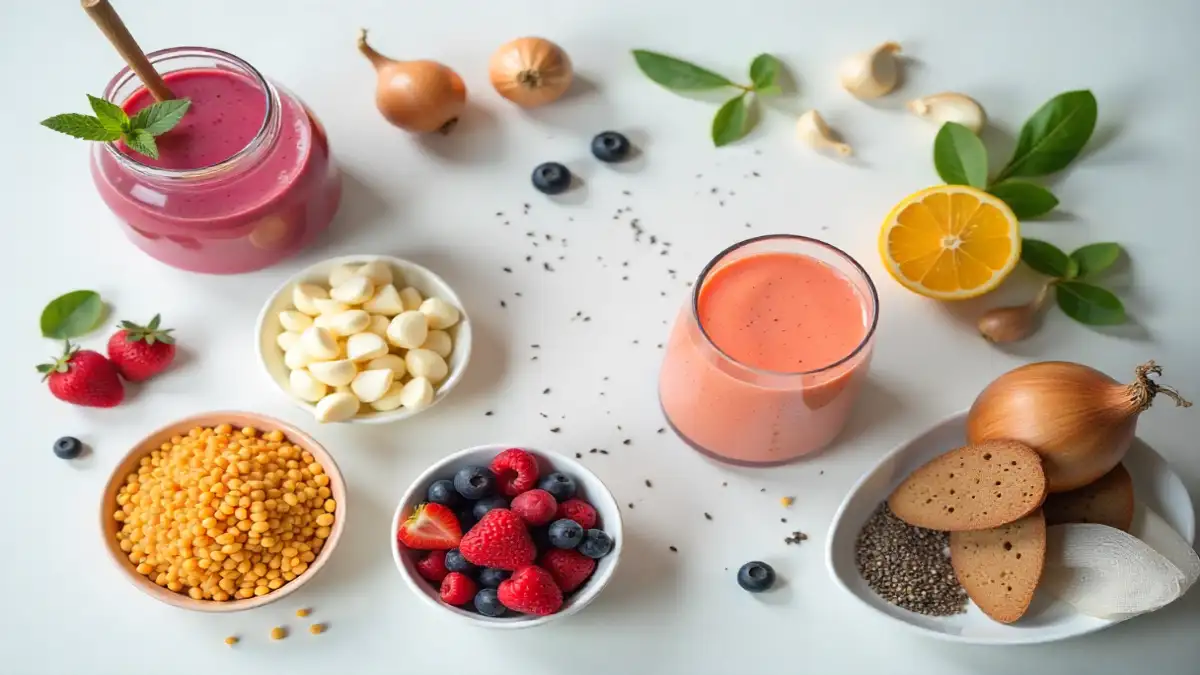
Prebiotics are the food that feeds your good gut bacteria, and they’re found in specific types of fiber. I recommend incorporating garlic, onions, leeks, asparagus, and Jerusalem artichokes into recipes regularly. These vegetables are relatively low in net carbs and high in the inulin fiber that beneficial bacteria love.
Legumes like lentils and chickpeas are also excellent prebiotic sources, though you’ll need to watch portions since they do contain carbohydrates. A half-cup serving of lentils provides substantial fiber and prebiotics while keeping the carb count manageable at around 20 grams.
Resistant Starch Foods
This is where it gets really interesting. Resistant starch is a type of carbohydrate that resists digestion in your small intestine and instead feeds gut bacteria in your colon. The fascinating part? Cooking and then cooling certain foods like potatoes, rice, and pasta actually increases their resistant starch content.
I’ve found that clients can often tolerate small portions of cooled, cooked potatoes in a salad better than hot mashed potatoes, with less blood sugar impact. The key is portion control—think a half-cup of potato salad as part of a balanced meal, not as the main event.
Polyphenol-Rich Foods
Colorful vegetables, berries, and certain spices contain polyphenols that support gut bacteria diversity. I particularly love incorporating turmeric, cinnamon, oregano, and cocoa powder into diabetic-friendly recipes. These ingredients add flavor without carbohydrates and provide gut-supporting compounds.
Five Gut-Healthy Recipe Strategies for Diabetes
Let me share the practical cooking approaches I’ve developed working with clients who want to support their gut health while managing blood sugar:
Strategy 1: The Fermented Vegetable Boost
Add a quarter to half-cup of fermented vegetables to meals. I’ve seen clients transform their lunches by adding sauerkraut to salads, kimchi to grain bowls, or pickled vegetables to wraps. The serving size is small enough to have minimal carb impact but delivers significant probiotic benefits.
Try this: Create a diabetes-friendly Buddha bowl with a base of cauliflower rice (low-carb), grilled chicken or tofu, roasted vegetables, half a cup of chickpeas, and a generous topping of kimchi or sauerkraut. This combination provides protein, fiber, prebiotics, and probiotics in one satisfying meal.
Strategy 2: The Overnight Prebiotic Oats Alternative
Traditional overnight oats can be too carb-heavy for many people with diabetes. I’ve developed a modified version using half steel-cut oats and half hemp hearts or chia seeds, which reduces the glycemic load while increasing fiber and omega-3s.
Mix two tablespoons steel-cut oats, two tablespoons hemp hearts, one tablespoon chia seeds, half a cup plain Greek yogurt, half a cup unsweetened almond milk, a handful of berries, and a sprinkle of cinnamon. Let it sit overnight. This provides the prebiotic fiber and probiotics your gut needs with only about 25-30 grams of carbs, much of which is fiber.
Strategy 3: The Resistant Starch Salad Method
Cook your starches, cool them overnight, and use them in cold salads the next day. I recommend this approach with quinoa, lentils, or small red potatoes. The cooling process increases resistant starch content, potentially reducing the blood sugar impact.
One of my favorite recipes: Mix cooled, cooked lentils with diced cucumber, cherry tomatoes, red onion, fresh herbs, olive oil, and lemon juice. Add crumbled feta and serve over mixed greens. This creates a complete meal that supports gut health while keeping blood sugar manageable.
Strategy 4: The Gut-Supporting Soup Foundation
Soups are perfect vehicles for gut-healthy ingredients. I always start with a base of sautéed onions, garlic, and leeks (all prebiotic foods), then add bone broth or vegetable broth (which provides collagen and minerals that support gut lining health), non-starchy vegetables, a moderate portion of beans or lentils, and finish with a handful of leafy greens.
The beauty of this approach is that you can make a large batch, and the diverse fiber types feed different beneficial bacteria strains. Just watch your portion of the higher-carb ingredients and balance them with plenty of vegetables and protein.
Strategy 5: The Probiotic Smoothie Blueprint
Smoothies get a bad reputation in diabetes management because they can spike blood sugar quickly. However, when built correctly, they become gut-supporting meals. I use plain kefir or Greek yogurt as the base, add a small amount of low-glycemic fruit like berries, include a handful of spinach, add healthy fats from avocado or nut butter, and finish with a tablespoon of ground flaxseed for extra fiber.
The protein and fat slow down carbohydrate absorption, the probiotics support gut health, and the fiber feeds beneficial bacteria. Keep the total smoothie to about 30-40 grams of carbs by measuring your fruit carefully.
Common Mistakes I See With Gut-Healthy Diabetes Recipes
After working with so many clients, I’ve noticed patterns in what doesn’t work:
Overdoing Fruit for Gut Health
Yes, fruit contains prebiotics and polyphenols, but the sugar content can overwhelm blood glucose control. I recommend sticking to a half-cup of berries at a time rather than consuming large amounts of higher-sugar fruits like mangoes or grapes, even if they’re marketed as gut-healthy.
Ignoring Portion Sizes on Legumes
Beans and lentils are fantastic for gut health, but they do contain significant carbohydrates. I’ve seen clients assume they can eat unlimited amounts because “they’re healthy.” In reality, a half-cup to three-quarters-cup serving is usually appropriate, paired with lots of non-starchy vegetables and adequate protein.
Choosing Sweetened Fermented Foods
Many store-bought kombucha, kefir, and yogurt products contain added sugars. Always check labels and opt for plain versions that you can flavor yourself with a small amount of berries or a touch of cinnamon.
Making Gut-Healthy Cooking Sustainable
The clients who see the best long-term results are those who make gut health a consistent priority rather than a short-term experiment. I recommend starting with just one or two recipe modifications per week. Maybe you add sauerkraut to your lunch salad, or you prepare a batch of the lentil salad on Sunday for the week ahead.
Track how you feel and what happens to your blood sugar readings. In my experience, most people notice digestive improvements within two to three weeks and blood sugar improvements within four to six weeks of consistently eating gut-supportive foods.
Remember that gut health isn’t built overnight. You’re cultivating a diverse microbiome ecosystem, and that takes time and consistency. Be patient with yourself and celebrate small victories along the way.
Your Next Steps for Gut-Healthy Diabetes Cooking
If you take away just one thing from this article, let it be this: supporting your gut health doesn’t require complicated recipes or exotic ingredients. Start simple. Add fermented vegetables to one meal tomorrow. Choose plain Greek yogurt instead of sweetened varieties. Include more garlic and onions in your cooking.
Work with your healthcare team to monitor how these dietary changes affect your blood sugar levels. What works beautifully for one person might need adjustment for another, and your doctor or diabetes educator can help you fine-tune your approach.
Your gut and your blood sugar are more connected than you might have imagined, and every gut-friendly meal you prepare is an investment in better diabetes management and overall health. You’ve got this.
Medical Disclaimer: The information in this article is intended for educational purposes only and should not be considered medical advice. Always consult your physician, endocrinologist, or a qualified healthcare professional before making any changes to your diet, medication, or diabetes management plan. Individual responses to dietary changes vary, and what works for one person may not be appropriate for another. Blood sugar monitoring and professional guidance are essential when modifying your eating patterns.
